
When parents start looking for childcare in Newmarket, the list of practical questions can get long very quickly. Will my child feel comfortable? Who will be there at drop-off? How will naps and meals work? And can we manage the hours when both parents are rushing to work?
For some families, home daycare feels like a natural fit because the group is small and the day happens in a familiar, residential setting. But it’s worth knowing what those benefits actually look like and where a home daycare might not meet your needs.
Here are some reasons families consider home childcare in Newmarket and East Gwillimbury, along with the questions worth asking before you decide.
A familiar caregiver through the day
Many young children feel more secure as they get to know the person looking after them. In a small home daycare, they may see the same caregiver at breakfast, during play, when they’re upset and at pickup. That continuity can also make it easier for parents to have direct, everyday conversations about how things are going.
Of course, caregiver consistency isn’t exclusive to home daycare. Centres can have strong, long-term relationships too. Ask each provider who normally cares for your child and what happens when that person is away.
A smaller group can feel less overwhelming
Some children are happiest in a busy room full of activity. Others prefer time to watch before joining in, especially when they’re young or new to daycare.
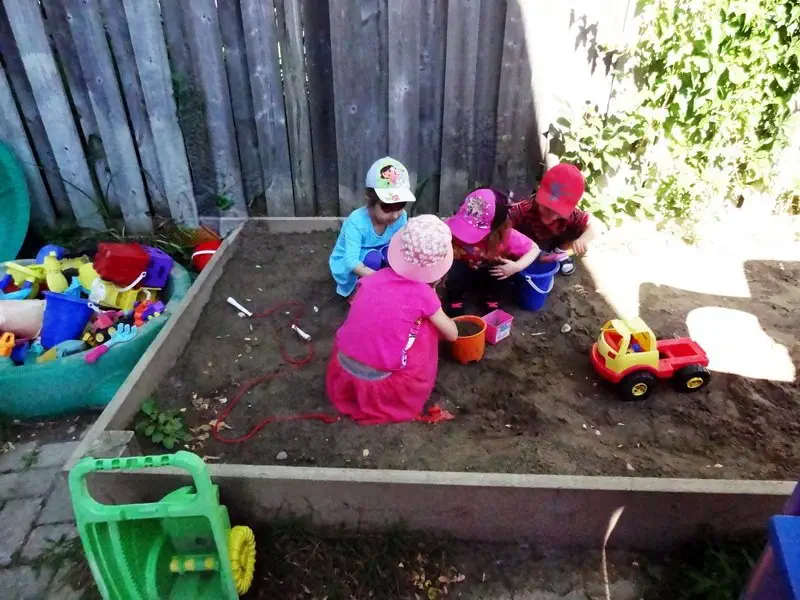
Home childcare groups are often smaller than the total population of a daycare centre. At Diana Daycare, no more than five children attend at one time, which means children get to know the same small group throughout the day.
Smaller isn’t automatically better for every child. What matters is how the adults guide play, respond to disagreements and make sure each child has room to participate.
Learning is woven into ordinary moments
Young children don’t need every activity to come with a formal lesson plan. Naming colours while sorting blocks, telling stories, helping clean up toys and taking turns with a game are all opportunities to learn and practise communicating.
In a home setting, those moments can fit naturally into the day. A child might help set out napkins, watch older children work through a puzzle or explore different materials during craft time.
Ontario’s How Does Learning Happen? early-years framework highlights belonging, well-being, engagement and expression. It’s a useful lens for parents looking at any childcare setting: do children seem welcome, involved and able to communicate in their own ways?
Mixed ages offer different opportunities
Unlike centres where children may be grouped primarily by age, a home daycare can include toddlers and older preschoolers together. Younger children may enjoy observing the older ones, while older children practise patience and cooperation.
Mixed-age care isn’t a guarantee of stronger social skills. Children still need thoughtful supervision and activities suited to their development. Ask what a toddler does when older children are working on something they can’t yet manage, and how older children stay engaged during a younger child’s rest time.
A predictable routine can help with transitions
For a young child, knowing what usually comes next can make a long day feel easier. Meals, outdoor play, stories and rest become familiar reference points, particularly during those first few weeks away from home.
A home daycare’s daily rhythm may have some flexibility, but it still needs structure. If your child naps at a particular time, eats slowly or takes a while to join group play, ask how the caregiver handles those differences.
You can see an example in Diana’s daily daycare schedule. If your child is starting childcare for the first time, read our suggestions for making the adjustment to daycare a little easier.
Direct communication with the caregiver
One benefit parents often appreciate is being able to speak with the person who spent the day with their child. It makes it easier to mention a rough night, a new food allergy concern, a change in toileting habits or something exciting that happened at home.
During a tour, ask what information you’ll receive at pickup and how to reach the provider if something changes during the day. The method matters less than whether communication feels clear, respectful and practical.
Things to consider before choosing home daycare
There are trade-offs worth discussing, particularly if you need care with very little room for schedule changes.
- Back-up arrangements: An independent home caregiver may need to close when sick or on vacation. Ask about notice and whether alternative care is available.
- Operating hours: Confirm drop-off and pickup times, late fees and whether the schedule fits your commute.
- Age range: Some home daycares serve different ages or have minimum enrollment ages. Ask about your child’s actual eligibility.
- Fees: Compare the full costs, included meals, holiday policies and minimum part-time days, rather than just an advertised daily price.
- Licensing: Ontario distinguishes between independent, unlicensed home childcare and home childcare overseen by a licensed agency. Ask which type you’re visiting and read the provincial childcare rules.
Diana Daycare is an independent, unlicensed home childcare program. Diana’s educational background and experience are important parts of her approach, but should not be confused with the program holding an Ontario childcare licence.
How do you know whether home daycare is right for your child?
Try picturing a regular weekday, not just the first exciting day of a tour. Can you imagine your child being comforted there? Does the caregiver explain the routines clearly? Do the rules around illness and unexpected closures work for you?
If you’re still weighing a larger centre against a smaller home setting, our home daycare versus daycare centre comparison walks through the differences without assuming one option is right for everyone.
For families considering Diana Daycare, the next step can be as simple as looking at current spaces and rates and asking about a visit. A conversation and a chance to see the space can tell you much more than a list of benefits alone.
Why Diana Daycare in Newmarket?
At Diana Daycare, children spend their day in a small home setting with no more than five children and one familiar caregiver. Diana brings over 20 years of childcare experience and an Early Childhood Education background to the everyday routines that help children feel comfortable and supported.
Days include play, stories, crafts, outdoor activities when weather allows, meals and rest. Parents speak directly with Diana about how their child is settling in and what happened during the day.
If that sounds like the type of care you're looking for, you can check current spaces and rates or arrange a visit. There's no need to decide before you've had a chance to see the space and ask your questions.