

Finding childcare often begins with a practical question: Is there a space available? But before you decide, it helps to look beyond the opening and get to know the person, the routine and the place where your child will spend their day.
When you visit a home daycare in Newmarket, you don't need to arrive with a long checklist or know all the right terms. A few thoughtful questions can tell you what daily life will actually feel like for your child, and whether the arrangement works for your family.
These are nine questions worth asking. The small details you notice during the answers are often just as useful as the answers themselves.
Who will care for my child each day?
Ask who will be there at drop-off, during meals and at pick-up. Will your child get to know one regular caregiver, or are different adults responsible throughout the week? What is the provider's training and experience with children your child's age?
At Diana Daycare, children spend their day with Diana, an Early Childhood Educator with more than 20 years of experience. Parents speak directly with the person who has cared for their child that day.
How many children are together at one time?
Group size helps shape how the day feels. Ask how many children attend, the ages in the group and how activities work when younger and older children need different kinds of help.
A larger group may suit some children very well. Others settle more comfortably when the faces and surroundings are familiar. Diana Daycare cares for no more than five children at a time.
What would my child's ordinary Tuesday look like?
It's easy to talk about special activities. An ordinary day tells you much more. Ask when children eat, play outdoors, do crafts, rest and have time to choose their own activities.
Does the schedule leave room for a child who needs a little more time to finish a painting, or one who would rather watch before joining a group game? A predictable rhythm can still be flexible.
At Diana Daycare, daily activities include play-based learning, crafts, outdoor play, meals and quiet time. You can see the published daily schedule before arranging a visit.

How do you handle a difficult drop-off?
Even a child who enjoys a daycare visit may find the first few mornings hard. Ask what happens when a child cries, clings to a parent or needs time to watch from the sidelines.
Can you share how your child usually settles, a favourite story or a comforting routine? Ask how and when the caregiver would let you know how the morning went.
What will my child eat, and how are food needs handled?
Ask what a typical lunch looks like, when snacks are served, and whether food is prepared on-site. Discuss allergies and dietary restrictions before enrollment, including how the provider prevents mix-ups.
Diana Daycare includes a healthy lunch and two daily snacks. Families with specific dietary needs should talk directly with Diana about what arrangements are possible for their child.
Where do children play outdoors?
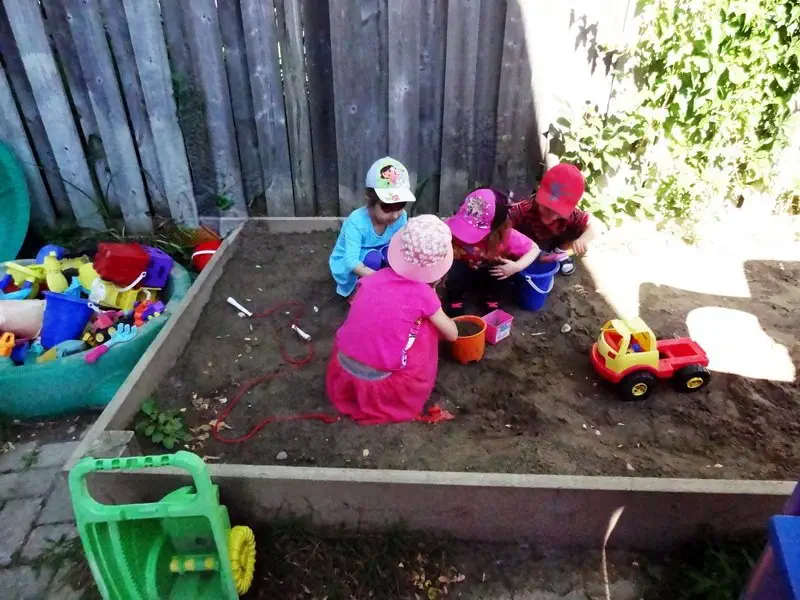
Ask to see the outdoor space, not just photographs of it. Is there room to move? What kinds of climbing, digging, imaginative play or simple games are available? How does the provider decide when weather conditions call for an indoor day?
Outdoor play is part of the regular routine at Diana Daycare when the weather allows. You can see the actual yard and activities in the daycare photo gallery.
What happens if my child is sick, or the caregiver is away?
These questions are easy to overlook during an enjoyable visit. Ask when children need to stay home, what happens if someone becomes ill during the day, and how parents are contacted.
It's also worth asking about emergency contacts, authorized pickups, first aid and CPR training, unexpected closures, vacation days and whether backup care is available. Make sure you know which arrangements are the family's responsibility.
What is the full cost, and what does enrollment involve?
Ask about the current daily rate, minimum days, payment dates, vacation and sick-day policies, deposits and any extra charges. Don't assume that the lowest advertised rate applies to every schedule.
Ontario also recommends asking whether a childcare program is licensed or unlicensed and whether it participates in the Canada-wide Early Learning and Child Care system (CWELCC). An educator's professional training and a program's licensing status are separate questions.
Diana Daycare's private fees depend on the days needed and current availability. Check the current daycare spaces and rates page, then confirm the details for your family before making a commitment.
Can I picture my child feeling comfortable here?
After you've asked the practical questions, take a moment to notice how you feel in the space. Is it welcoming? Do children have room to play? Does the caregiver listen carefully when you describe your child's personality or concerns?
You don't have to choose a daycare during the first visit. Talk things over at home, compare the answers with what matters to your family, and follow up on anything that still feels unclear.
Finding childcare is a practical decision, but it's also a personal one. Both parts deserve attention.
Five small things worth writing down
- Who will care for my child and how will we communicate?
- How will the daycare respond when my child is upset or unwell?
- What are meals, outdoor play and quiet time like on an ordinary day?
- What are the full fees, closure policies and enrollment requirements?
- What did I notice about the environment and the way the caregiver interacts with children?
Thinking about home daycare in Newmarket?
Diana Daycare welcomes children from 18 months to school age in a small home setting. Start with a few questions, learn about availability, or arrange a visit without making an immediate commitment.
Between longer articles, we share short daycare news, photos and parent-friendly ideas on our Google Business Profile.
Visit Diana Daycare on Google Maps ↗For a wider checklist, see the Ontario government's questions to ask a childcare provider. This article is general guidance; individual providers should explain their own policies and enrollment arrangements.