
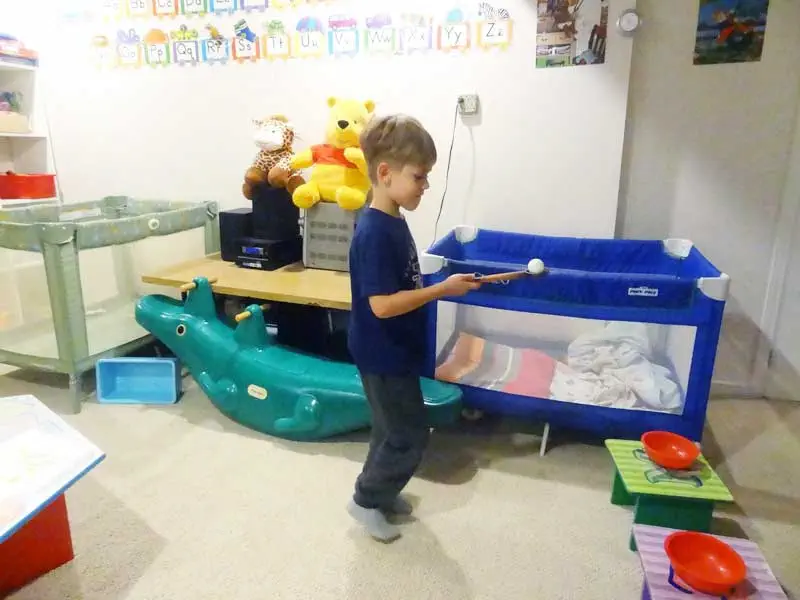
Ask a toddler what they did at daycare and you might hear, “Played.” That can sound wonderfully simple. But an ordinary day of play gives young children plenty of opportunities to practise new words, move their bodies, solve small problems and get to know the people around them.
Parents looking at daycare options in Newmarket sometimes expect a long list of organized activities. It’s more useful to ask what children actually do during those activities, whether they enjoy them and how the caregiver adapts when interests change.
Here are some examples of play-based activities that work well with young children, both at home and in childcare.
1. Building, stacking and taking things apart
Blocks, large connecting toys and simple stacking cups can keep a child interested much longer than a complicated activity with instructions. Children try out an idea, watch what happens and make another attempt.
One child may build a tower; another may prefer lining up pieces or knocking them down. Rather than insisting on a particular result, an adult can talk about what the child notices: “That one is taller,” or “What could make it steadier?”
For younger toddlers, choose large, age-appropriate pieces without small choking hazards.
2. Stories that become conversations
Reading aloud isn’t only about finishing a book. Sometimes the most useful moment is when a toddler points at a picture and asks the same question five times.
Caregivers can pause to name familiar objects, notice expressions and talk about what might happen next. Children who aren’t ready to sit through a whole story can still enjoy looking at pictures or listening to a few pages.
At home, you can try keeping a couple of favourites within reach and letting your child choose. Repetition is often exactly what they want.
3. Pretend play with everyday objects
A play kitchen, toy dishes, dolls, cars, scarves and cardboard boxes can become almost anything. One moment children are making lunch; the next they’re travelling somewhere very important in a box that has become a bus.
Pretend play gives children a way to practise language, cooperation and problem-solving. It also lets them explore everyday experiences, including things they might find confusing or exciting.
Adults can join in without taking over. A simple question like “Who are we cooking for?” is often enough to keep the play going.
4. Art that doesn’t need to look perfect
Young children often enjoy the feeling of making marks and seeing colours change more than creating a picture adults can recognize.
Crayons, washable paint, paper collage and chunky brushes can offer different ways to explore. For very young children, close supervision and age-appropriate supplies matter, especially when materials might end up in mouths.
If you visit a daycare, look for whether children get time to experiment or are expected to copy the same finished craft. Both guided activities and open-ended play have their place, but children need room to make their own choices.
5. Movement games for indoor days
Ontario weather doesn’t always cooperate with outdoor plans. On rainy days and very cold mornings, children still need ways to move.
Simple movement games might involve following a path of cushions, pretending to be different animals, dancing, rolling a ball or moving through a short obstacle course arranged safely for the ages attending.
The goal isn’t a competition or keeping every child moving nonstop. It’s giving them a safe chance to practise balance, coordination and confidence. We share more examples in our indoor movement play update.
6. Outdoor exploration, including the quiet moments
Outdoor play isn’t only running and climbing. Children may want to look for leaves, scoop sand, notice shadows or watch what happens when water flows down a slope.
Those slower moments offer chances to ask questions and learn new words. Supervision, weather-appropriate clothing and a suitable play space are essential, whether children are in a large centre or a smaller home daycare.
For a look at the actual daycare environment, explore the Diana Daycare gallery.
7. Small jobs that build independence
Putting toys back in baskets, carrying a lightweight napkin to the table or helping find a missing mitten might not sound like educational activities. For young children, these familiar jobs can be meaningful.
With patient guidance, they practise doing things for themselves and learn how daily routines work. There is no need to rush. A toddler who needs help with a zipper or spills a little water is still learning.
8. Playing alongside other children
Toddlers may play next to another child before they can comfortably share a game. They are learning to notice what others want, ask for a turn and handle frustration when a favourite toy isn’t available.
Adults can help by naming feelings, offering choices and giving children time to try again. Expecting toddlers to share perfectly or manage disagreements without support isn’t realistic.
Ontario’s How Does Learning Happen? resource emphasizes belonging, well-being, engagement and expression, all of which can be supported through thoughtful everyday play.
What should parents look for in a daycare activity program?
When you’re touring a daycare, ask what a typical day looks like rather than requesting a list of special projects. Notice whether children seem involved and whether the caregiver responds to different interests, energy levels and abilities.
It also helps to ask about rest and unstructured time. Children don’t need to move from one organized activity straight into another all day.
At Diana Daycare in Newmarket, children have opportunities for stories, crafts, free play, outdoor activity and quiet time within a familiar daily routine. You can see the daily schedule and learn more about what to look for in toddler daycare.
If you’re choosing care in Newmarket or East Gwillimbury, the most useful next step is seeing the environment for yourself. Check current spaces and rates and ask about arranging a visit.
Why Diana Daycare in Newmarket?
At Diana Daycare, children spend their day in a small home setting with no more than five children and one familiar caregiver. Diana brings over 20 years of childcare experience and an Early Childhood Education background to the everyday routines that help children feel comfortable and supported.
Days include play, stories, crafts, outdoor activities when weather allows, meals and rest. Parents speak directly with Diana about how their child is settling in and what happened during the day.
If that sounds like the type of care you're looking for, you can check current spaces and rates or arrange a visit. There's no need to decide before you've had a chance to see the space and ask your questions.